Understanding Freight Shipping Methods: Which One Fits Your Business
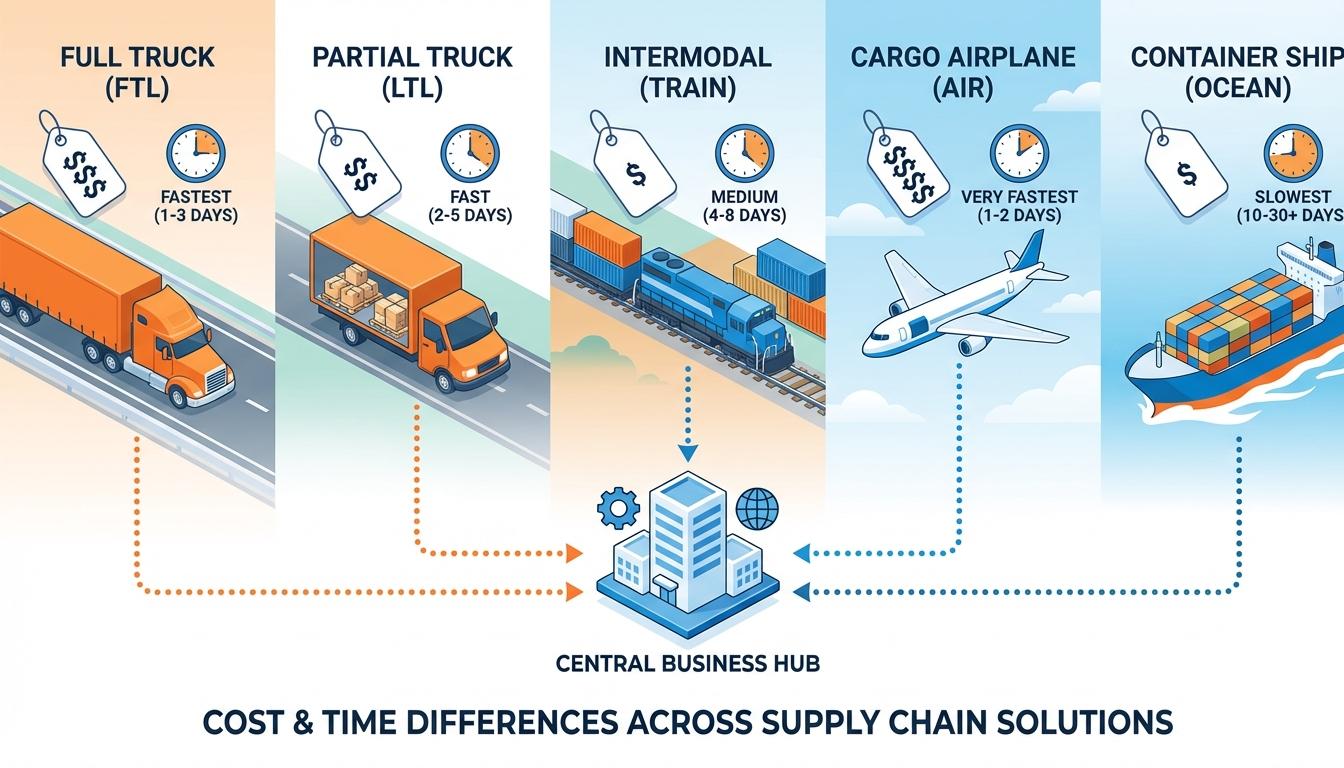
Are you trying to figure out the best way to move your goods without breaking the bank or losing your mind? You have probably noticed there is a lot of conflicting advice out there. Some sources make it sound like you need a degree in logistics just to ship a few pallets across the country. Others give you the bare basics but leave out the “gotchas” that end up costing you thousands in hidden fees. We are going to cut through the noise and give you everything you need to know about freight shipping methods in one place. Whether you are a small business owner sending your first international order or a seasoned pro looking to optimize your supply chain, this guide has you covered. Let us get into it.
We get it. The world of logistics is loud, messy, and constantly changing. One day ocean rates are low, and the next day a port congestion issue makes air freight look like a bargain. It is overwhelming to keep track of it all. You are asking the right questions because the mode of transport you choose today will ripple through your entire business, affecting your customer satisfaction, your cash flow, and your stress levels. We have looked at how the biggest players and the most successful startups handle their cargo, and we want to share that perspective with you.
This guide is designed to be your home base for all things freight. We will start with the ground-level basics of trucking and move all the way up to international air and sea travel. We will even talk about the “secret” hybrid methods like intermodal shipping that many businesses overlook. Along the way, we will explain the “why” behind each choice. What does this actually mean for your bottom line? When is it okay to pay more for speed? When should you slow down to save money? By the time you finish reading, you will have a clear roadmap for your shipping strategy. Ready to dive in?
The Backbone of Domestic Trade: Road Freight
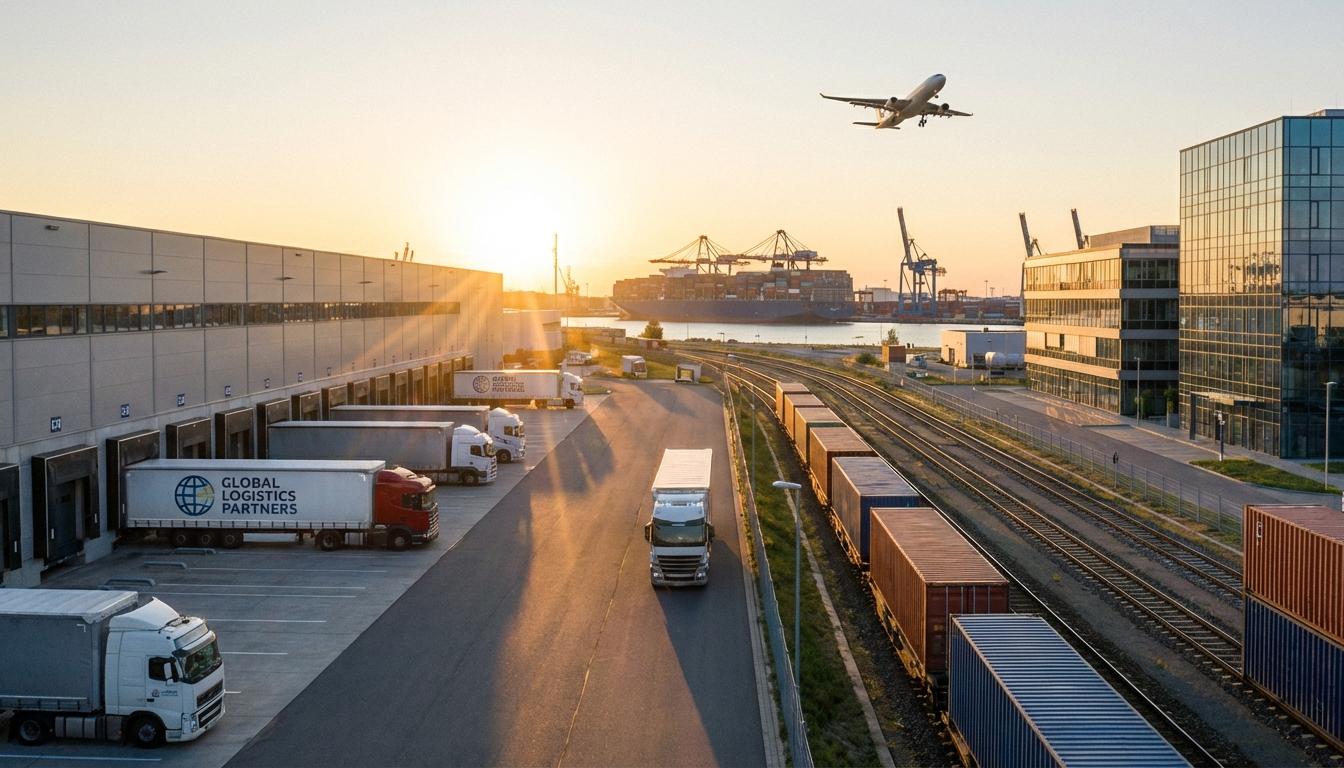
If you look around your office or home right now, almost everything you see was on a truck at some point. Trucking is the most common freight transportation mode for a reason. It is flexible, it goes door-to-door, and it reaches places that ships and planes simply cannot. In the United States, trucking is the go-to for many distances under 1,000 miles. But here is the thing. Not all truck shipments are created equal. This is where most people get confused, so let us break down the different ways you can book space on a trailer.
Full Truckload (FTL)
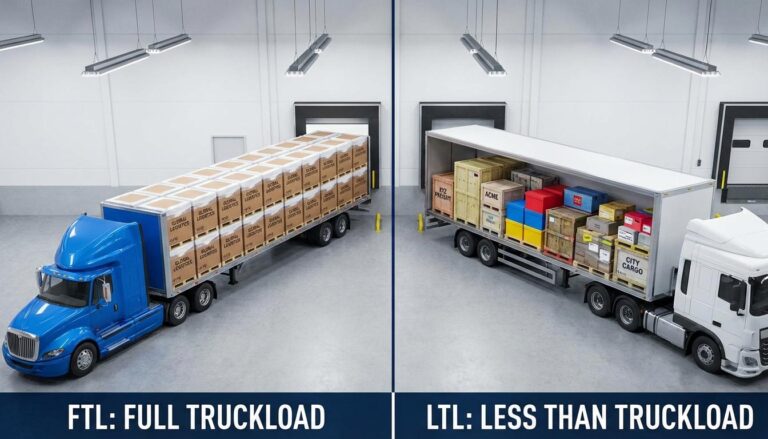
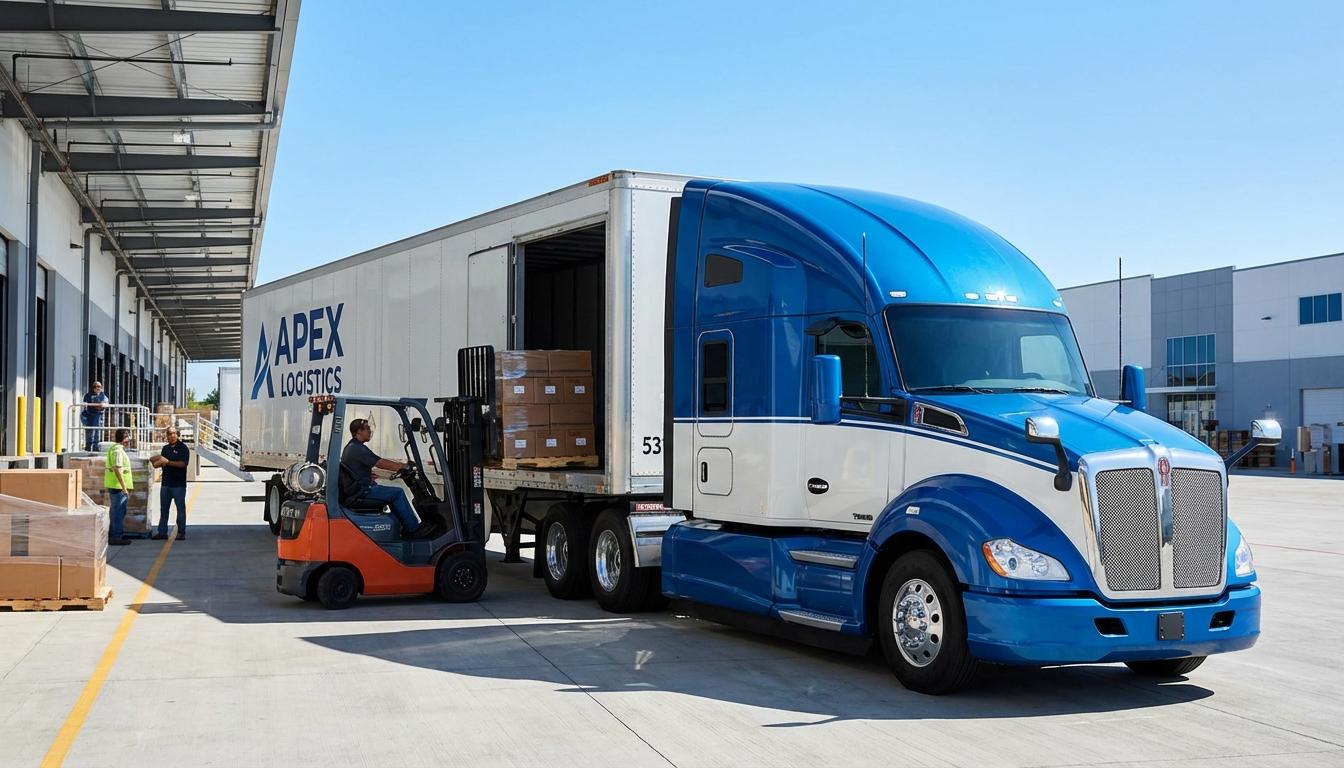
Full Truckload, or FTL, is exactly what it sounds like. You are renting the entire trailer for your goods. Usually, this means you are filling a 48-foot or 53-foot dry van with up to about 45,000 pounds of cargo. This is the gold standard for high-volume shippers. If you have around 20 or more pallets, this is often your best bet. Why? Because the truck goes from your loading dock directly to the destination. There are no stops at sorting hubs and no extra handling.
Here is what actually matters about FTL. Because the trailer stays sealed from point A to point B, the risk of damage is much lower. If you are shipping fragile electronics or high-value machinery, paying for the whole truck is often worth it just for the peace of mind. For a more detailed breakdown of how this compares to other road options, you can read our comparison on FTL vs LTL shipping cost to see which fits your budget better.
Less-Than-Truckload (LTL)
Now, what if you only have three pallets? You do not want to pay for a whole truck that is mostly empty. That is where Less-Than-Truckload (LTL) comes in. Think of LTL like a public bus for your freight. You are sharing the “fare” with other businesses. You only pay for the space your pallets occupy. This is the bread and butter for small and medium-sized businesses that need to move regular shipments without waiting to fill a whole trailer.
The good news is that LTL is very cost-effective. The bad news is that it takes longer. Since the truck is stopping at multiple locations to pick up and drop off other people’s stuff, your cargo will be moved across various “cross-dock” terminals. Every time a forklift touches your pallet, the chance of a “whoops” moment increases. If you choose LTL, make sure your packaging is top-notch. You want those boxes wrapped tight and protected with edge guards.
Partial Truckload (PTL) and Shared Truckload
Here is something most guides do not mention. There is a middle ground called Partial Truckload. Imagine you have 8 to 15 pallets. It is too much for standard LTL pricing to be efficient, but you still do not need a full 53-foot trailer. PTL carriers look for these “gap” shipments to fill extra space in their trucks. The best part? PTL shipments often stay on the same truck the whole time, just like FTL, but at a lower price point. It is a bit like finding a carpool for your cargo.
Expedited and Final Mile Delivery
Sometimes, the “standard” speed just does not cut it. Maybe a production line is down because of a missing part, or a customer needs an emergency replacement. Expedited freight uses dedicated vans or team drivers who drive straight through the night to get your shipment there as fast as humanly possible. On the other end of the spectrum is “final mile” delivery. These are the box trucks and sprinter vans you see in cities. They are specialized for navigating tight streets and residential areas where a massive semi-truck would get stuck. In practical terms, this means you need to know your destination. If you are shipping to a downtown office building, you will probably need a truck with a liftgate and a driver who knows how to handle city traffic.
The Power of the Rails: Rail Freight
We often think of trains as a relic of the past, but in the world of freight shipping methods, rail is a modern powerhouse. If you are moving massive amounts of heavy cargo over long distances, rail is incredibly hard to beat. It is a leader in efficiency. Did you know that a single train can carry the equivalent of several hundred truckloads? This makes it one of the most environmentally friendly ways to move goods over land.
Bulk Rail vs. Intermodal Rail
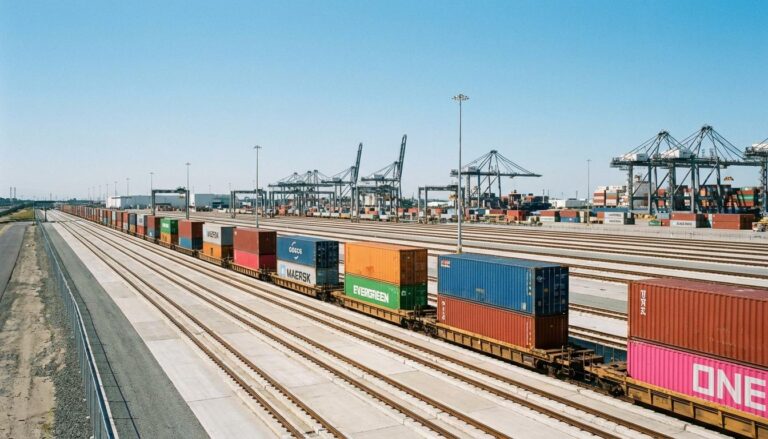
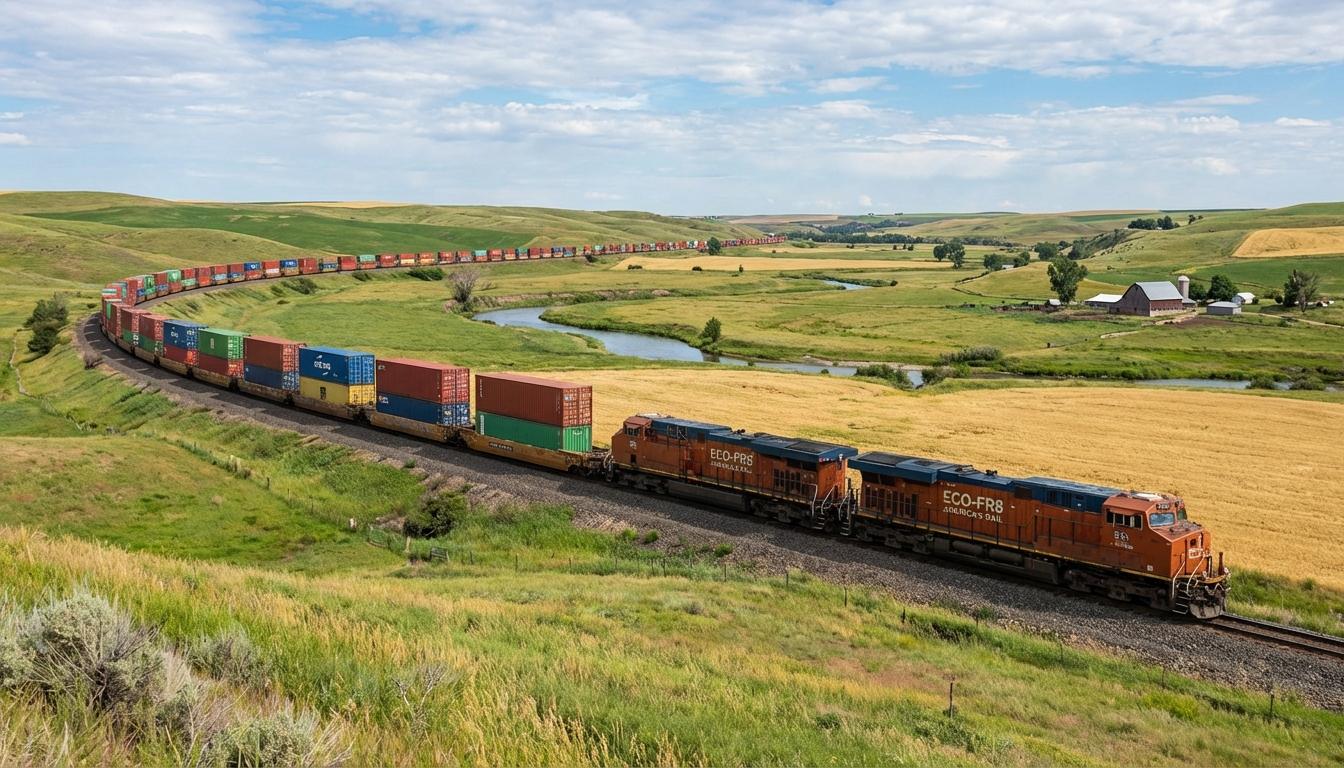
Most rail freight falls into two categories. First, there is bulk rail. This is for commodities like grain, coal, gravel, or chemicals. These goods are loaded directly into specialized railcars. Unless you are running a major industrial plant or a farm, you might not use this daily. The second category is what we call intermodal rail. This is where standardized shipping containers are placed on flatcars. This is the “secret sauce” for many retail businesses. You load a container at your warehouse, a truck takes it to the rail yard, it travels a long distance by train, and then another truck delivers it to the final destination. This process is seamless and much cheaper than paying for a truck to drive that entire distance.
So, what is the takeaway? Use rail when you have a long lead time. It is not fast. Trains have to be built, scheduled, and sometimes they sit on sidings waiting for other traffic. But if you can plan ahead, the cost savings can be massive. If you want to learn more about how this works, check out our guide on intermodal freight shipping benefits to see if it is the right move for your supply chain.
Ocean Freight: Connecting the Continents
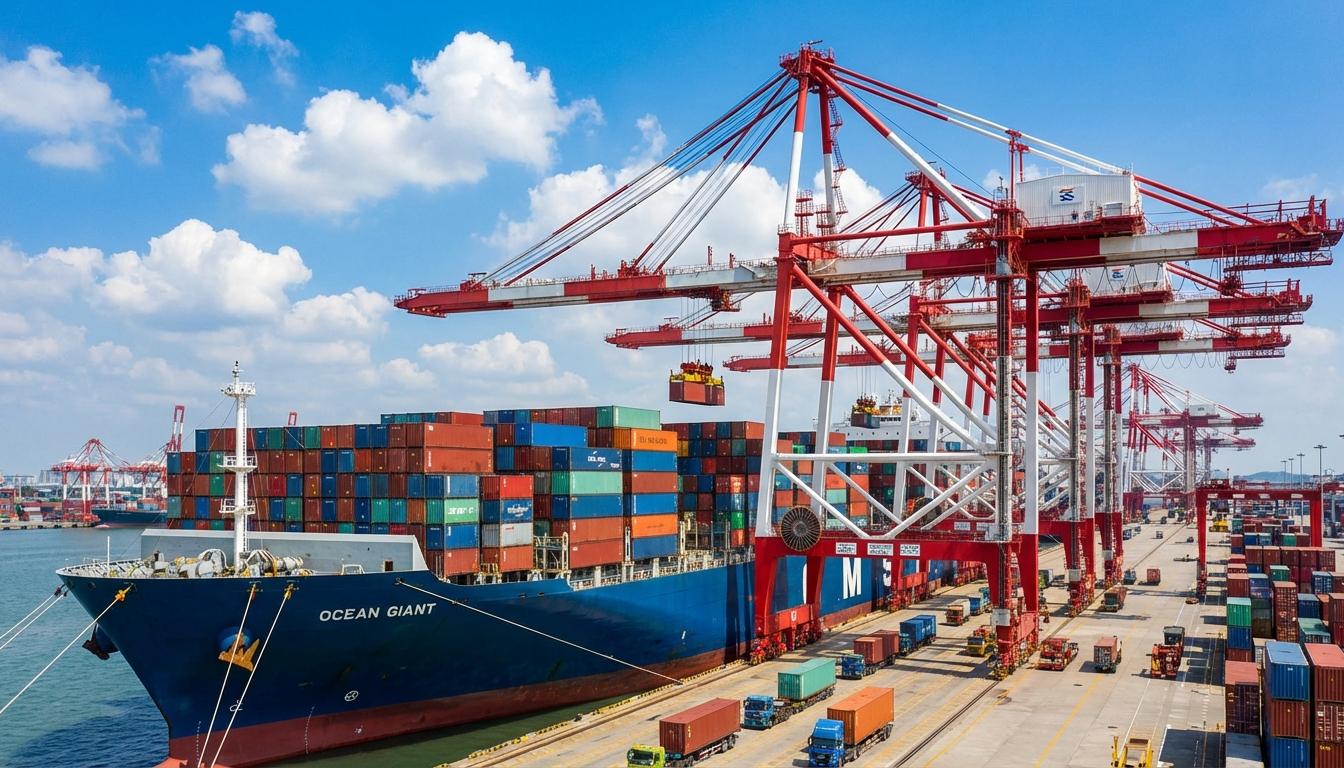
If you are sourcing products from overseas, ocean freight is likely your primary shipping method. It is the backbone of the global economy. About 80% to 90% of the world’s trade by volume moves by sea. Why? Because nothing else has the capacity. A single modern container ship can carry over 20,000 containers. The scale is almost hard to imagine. But for you, the business owner, it comes down to two main choices: FCL or LCL.
FCL vs. LCL: Your Ocean Options
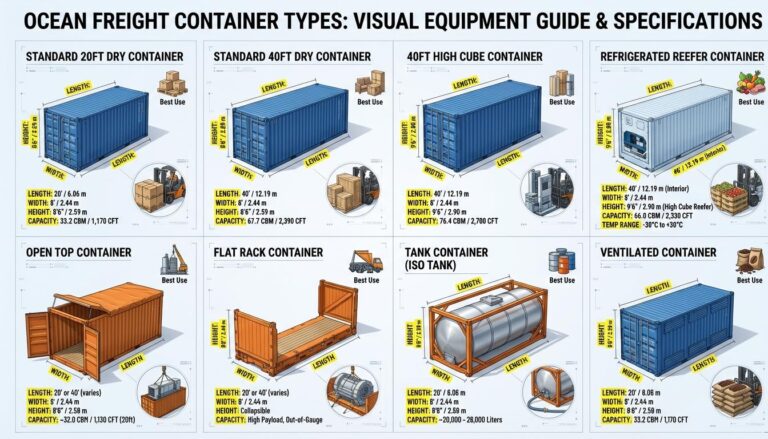
- Full Container Load (FCL): Just like FTL in trucking, you rent the whole container. The most common sizes are 20-foot and 40-foot containers. This is one of the fastest and most secure ways to ship by sea. You pack it, seal it, and it stays that way until it reaches its destination.
- Less-than-Container Load (LCL): If you do not have enough stuff to fill a whole 20-foot box, you can share space. A freight forwarder will group your goods with other shippers. This is great for small batches, but be warned. LCL involves a lot of handling and extra time at the port for consolidation and deconsolidation.
Here is where it gets interesting. Most people assume ocean freight is just about containers, but there is more to it. There are Roll-on/Roll-off (Ro-Ro) ships for vehicles and “breakbulk” ships for oversized items like wind turbine blades or construction cranes. To get a better handle on what kind of “box” you might need, take a look at our ocean freight container types guide. It helps to know if you need a standard dry van, a refrigerated “reefer,” or an open-top container before you get a quote.
One thing we must be real about: ocean freight is slow. We are talking weeks, sometimes months. You also have to deal with port congestion, weather delays, and complex customs paperwork. According to the World Bank, port efficiency is one of the biggest factors in global trade costs. If a port is backed up, your container might sit on a ship just outside the harbor for many days. Always build a buffer into your schedule when shipping by sea.
Air Freight: When Speed is Everything
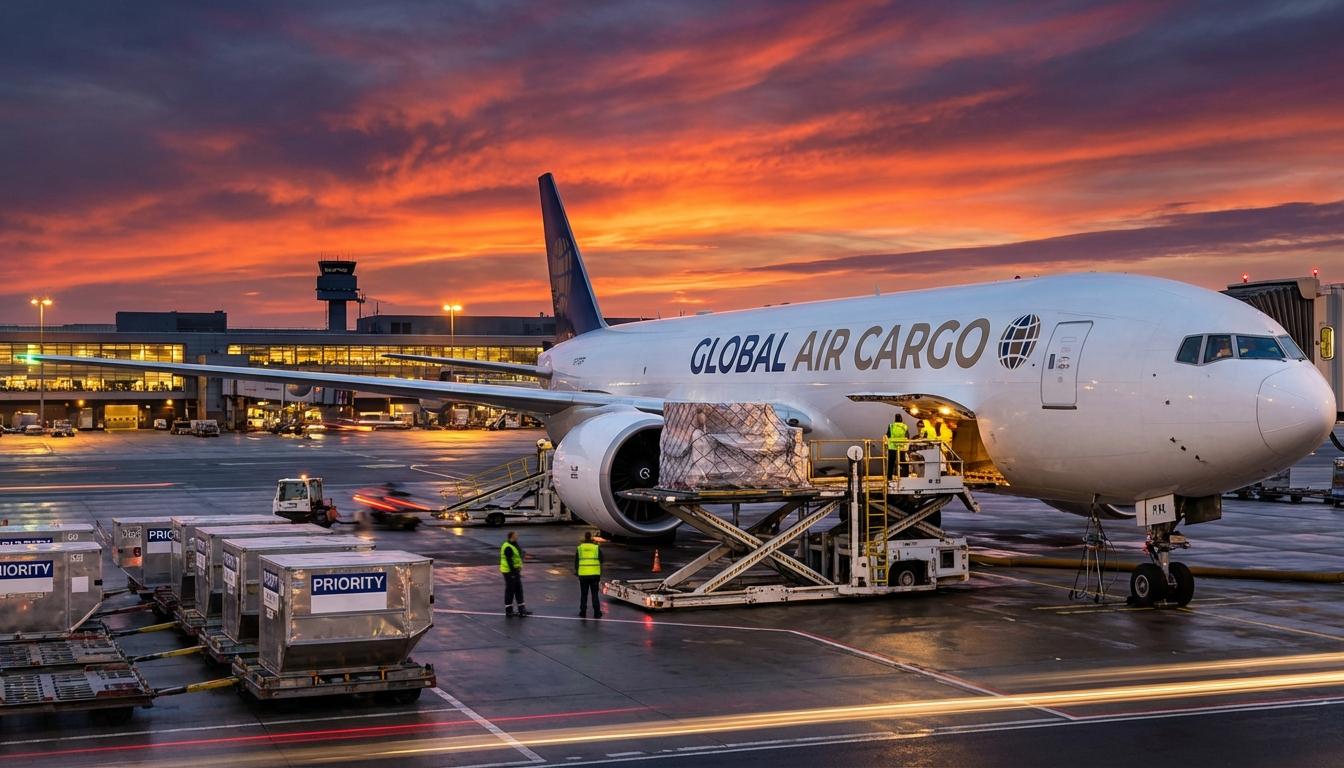
When you absolutely, positively need it there quickly, you look to the skies. Air freight is the premium tier of cargo shipping methods. It is fast, reliable, and has the best security of any mode. If you are shipping high-value items like jewelry, sensitive electronics, or life-saving pharmaceuticals, the high cost of air freight is often a drop in the bucket compared to the value of the goods or the cost of a delay.
The Reality of Air Cargo
Let us be honest here. Air freight is expensive. You are often paying per kilogram, and those costs add up quickly. But there is a “hidden” benefit most people miss. Because air freight is so fast, you can carry less inventory. If you can get a shipment from a factory in Asia to a warehouse in New York in a few days, you do not need to keep six months of stock sitting on a shelf. This can actually improve your cash flow and reduce your warehousing costs. For you, this translates to a trade-off. You pay more for the transport, but you might save money elsewhere in your business.
There are also limits to what you can fly. You cannot just put anything on a plane. Batteries, chemicals, and pressurized containers are considered hazardous and require special handling. Also, size matters. If your cargo is too big to fit through the door of a cargo plane, you are back to the ocean. Most air cargo moves in the “belly” of passenger planes or in dedicated freighters operated by companies like FedEx, UPS, or DHL.
Intermodal and Multimodal: The Best of Both Worlds
This is the part most guides skip over, but it matters. Most shipments do not just stay on one type of transport. They are a combination. This is what we call intermodal or multimodal shipping. While the terms are often used interchangeably, there is a small difference. Intermodal usually refers to moving the same container across different modes (like truck to rail to ship). Multimodal usually refers to a single contract that covers the whole journey, even if different carriers are involved.
Why should you care? Because this is where the biggest savings are hidden. For example, you might ship your goods from China to the Port of Los Angeles by sea. Then, instead of trucking them all the way to Chicago, you put that container on a train. Finally, a truck does the last 20 miles to your warehouse. This “hybrid” approach is often the perfect balance between the low cost of sea/rail and the flexibility of trucking. It also helps reduce your carbon footprint. According to the EPA’s SmartWay program, moving freight by rail instead of truck can, on average, reduce greenhouse gas emissions by up to around 75%.
Specialized Shipping: Beyond the Basics
Not everything fits neatly into a standard box. Some goods need a little extra TLC. If you are in a specialized industry, your choice of freight delivery types will be dictated by the nature of your products. Let us look at a few “special” categories.
Temperature-Controlled Freight (Reefers)
If you are shipping fresh produce, frozen meat, or certain chemicals, you need a “reefer.” These are refrigerated trailers or containers that maintain a specific temperature throughout the journey. This is not just about keeping things cold. Sometimes it is about keeping them from freezing. A shipment of wine moving through a mountain pass in winter needs a heated trailer just as much as an ice cream shipment needs a freezer.
Hazardous Materials (Hazmat)
Shipping “dangerous goods” is a whole different ballgame. This includes everything from industrial acids to the lithium batteries in your laptop. You cannot just call any trucker for this. You need a carrier with a Hazmat certification, drivers who have been specially trained, and very specific labeling on your boxes. The Federal Motor Carrier Safety Administration (FMCSA) has strict rules on this, and the fines for getting it wrong are massive. If you think your goods might be hazardous, always ask for a Safety Data Sheet (SDS) from the manufacturer.
Flatbeds and Oversized Loads
Have you ever seen a truck on the highway carrying a massive piece of machinery with “OVERSIZE LOAD” banners and escort cars? That is specialized heavy-haul shipping. Flatbed trailers are used for things that cannot be loaded into a standard van because they are too wide, too tall, or need to be loaded from the side with a crane. This requires a lot of extra planning, including special permits from the states the truck will pass through.
How to Choose: The Decision Matrix
Now that we have covered the freight transportation modes, how do you actually pick one? You have probably realized by now that there is no “perfect” method. It is all about trade-offs. To make it easier, we recommend looking at these five factors every time you book a shipment.
1. Total Cost (The Bottom Line)
Do not just look at the shipping rate. Look at the “landed cost.” This includes the freight price, insurance, customs duties, port fees, and any “accessorial” charges like liftgate fees or inside delivery. Sometimes a “cheap” ocean quote ends up being more expensive than air freight once you factor in the cost of your capital being tied up for weeks or months.
2. Transit Time and Reliability
How fast do you actually need it? If your customer is okay with a 10-day wait, standard LTL is fine. If you have a strict “on-time, in-full” (OTIF) requirement from a big retailer like Walmart or Amazon, you might need to pay for a guaranteed service or a dedicated truck. Reliability is about more than speed. It is about how often a carrier actually hits their promised date.
3. Shipment Size and Weight
Size often dictates your method for you. A 50-pound box is a parcel shipment. A 500-pound pallet is LTL. A 20,000-pound load is PTL or FTL. As a general rule, the more you ship at once, the cheaper it gets per pound. This is why many businesses wait to consolidate smaller orders into one large shipment.
4. The Nature of the Cargo
Is it fragile? Is it perishable? Is it worth a million dollars? Your cargo’s characteristics will naturally rule out certain methods. You probably wouldn’t ship a pallet of diamonds via LTL trucking with multiple stops. You would choose a high-security, direct-move method.
5. Distance and Lane
Shipping from New York to Philadelphia is a different world than shipping from New York to London. Short-haul moves are dominated by trucks. Long-haul domestic moves are a battle between truck and rail. International moves are a choice between air and sea. The “lane” also matters. Popular lanes (like Shanghai to Los Angeles) have more competition and lower prices than “niche” lanes.
The Future of Freight: What is Changing?
The world of freight is not standing still. We are seeing some major shifts that you should keep an eye on. First, there is the “Amazon effect.” Customers now expect everything to be fast and trackable. This has pushed freight carriers to invest heavily in real-time tracking. You should no longer be in the dark about where your truck is. If a carrier cannot give you timely tracking updates, it might be time to find a new partner.
Second, sustainability is no longer just a buzzword. More companies are choosing rail and intermodal options specifically to meet their “Green” goals. We are also seeing the rise of electric delivery vans for that final mile in cities. This might not change your shipping today, but in the coming years, your choice of commercial shipping options might be influenced by the carbon tax or your brand’s environmental reputation.
Finally, there is the growth of e-commerce. This has led to a massive increase in LTL and parcel shipping. Warehouse networks are moving closer to cities so that goods can be delivered faster. This means the “old way” of shipping from one giant central warehouse to the whole country is being replaced by a more fragmented, complex network. Stay with us here because this part is important: the more complex your network, the more you need a good logistics partner or a solid software system to manage it.
Frequently Asked Questions
What is the difference between LTL and FTL freight shipping?
Great question. Here is the deal. LTL (Less-Than-Truckload) is for smaller shipments where you share truck space with other people. It is cheaper for small loads but takes longer and involves more handling. FTL (Full Truckload) is when you rent the entire trailer. It is faster, safer, and better for large loads, but you pay for the whole truck regardless of how much you put in it.
When should my business use intermodal shipping?
Intermodal is your best friend for long-distance domestic moves. If you are shipping over roughly 700 to 1,000 miles and you have a few extra days to spare, switching from a truck to a train can save you around 20% to 40% on your costs. It is the perfect balance for non-urgent, heavy shipments.
Is air freight worth the higher cost?
It depends on what you are shipping. If a delay will cost you a customer or stop a production line, then yes, air freight is a bargain. It is also great for high-value items where the insurance savings and reduced inventory costs outweigh the high shipping rate. But for low-margin, heavy goods? Stick to the ocean.
How do I choose between ocean and air for international shipping?
This comes up a lot, and the answer is usually a math problem. Use ocean freight if you have the time (often 20-60 days, depending on the route) and want the lowest cost. Use air freight if you need it in about a week or less. A good rule of thumb is that if your shipping cost is more than 15-20% of your product’s value, you should probably look for a slower, cheaper method.
What is the best shipping method for a small business?
For most small businesses starting out, LTL is the way to go for pallets, and parcel (like UPS or FedEx) is best for individual boxes. As you grow, you will start looking at FTL for your most popular lanes and ocean LCL for your imports. The “best” method is the one that allows you to scale without losing all your profit to shipping fees.
Do I need a freight forwarder or a broker?
Unless you want to spend your whole day on the phone with trucking companies and customs agents, yes. A freight broker or forwarder acts as your travel agent for cargo. They have the connections, the volume discounts, and the expertise to handle the “messy” parts of shipping for you. They can help you compare shipping options for businesses that you might not even know exist.
Final Thoughts
We have covered a lot of ground today. From the hum of a truck engine on a highway to the massive cranes at a global port, the world of freight is a complex, fascinating machine. But here is the bottom line. You do not need to be an expert in every single mode to be successful. You just need to understand the basic trade-offs between cost, speed, and reliability. What we found is that the most successful businesses are the ones that stay flexible. They use ocean freight when things are calm, air freight when there is an emergency, and rail when they want to save some cash.
Let us be real for a moment. Shipping will occasionally go wrong. A storm will hit, a truck will break down, or a port will go on strike. But by choosing the right freight shipping methods from the start, you give yourself a much better chance of weathering those storms. You now have the foundational knowledge to ask the right questions and make informed decisions. So, what is your next move? Take a look at your current shipping spend and see if there is an opportunity to try a new mode. You might be surprised at how much you can save. You have got this.