
Creating a Logistics RFP That Gets Quality Responses
Looking for a way to streamline your carrier or warehouse selection without the usual headache? You have come to the right place. Utilizing a professional logistics RFP template is the most effective way to ensure you are comparing providers fairly while protecting your bottom line. We are going to skip the fluff and get straight into the exact components you need to build a request that actually gets quality responses from top-tier providers.
If you are reading this, you probably already know that a poorly written request for proposal logistics document leads to vague pricing and service gaps. You are looking for the specific answer to how you can standardize your requirements so that every bidder is looking at the same data. This is the detailed breakdown you have been searching for to take your procurement process from reactive to strategic. Let us get specific.
What Exactly Is a Logistics RFP Template?
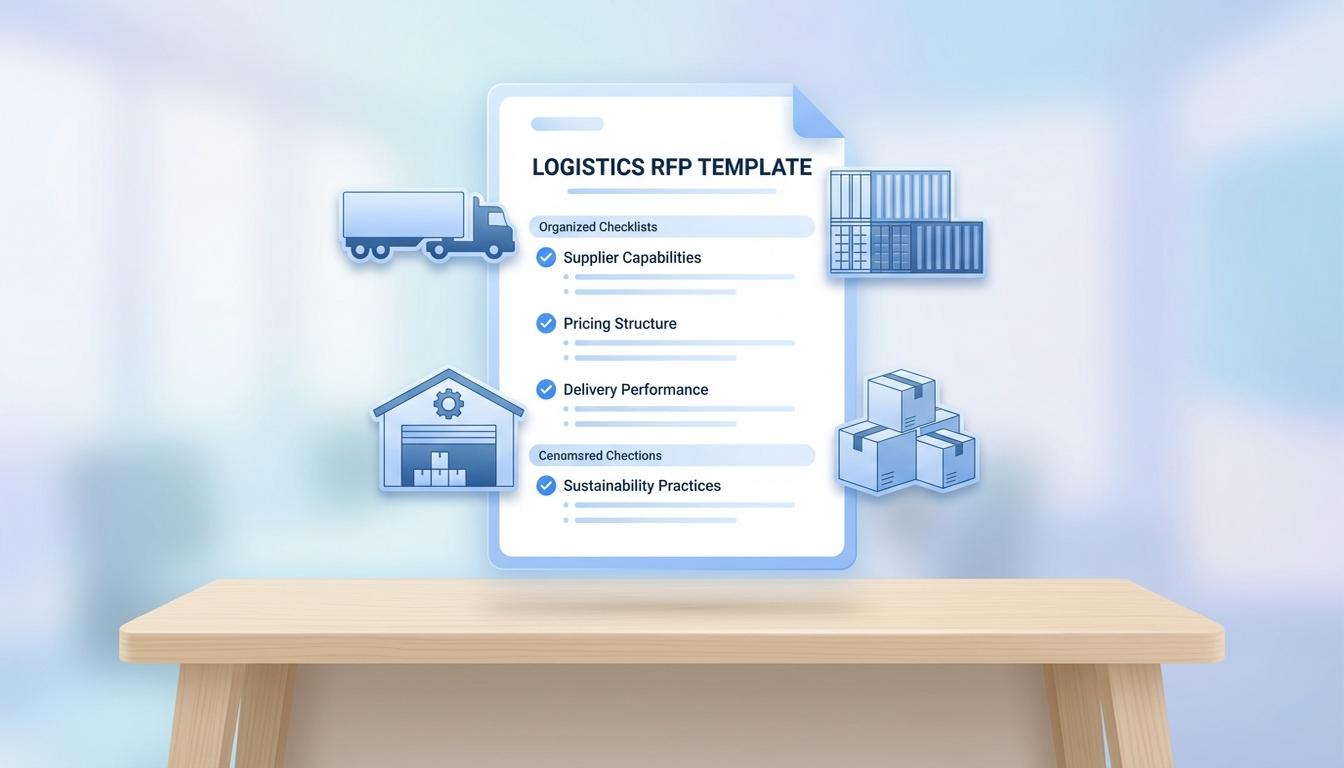
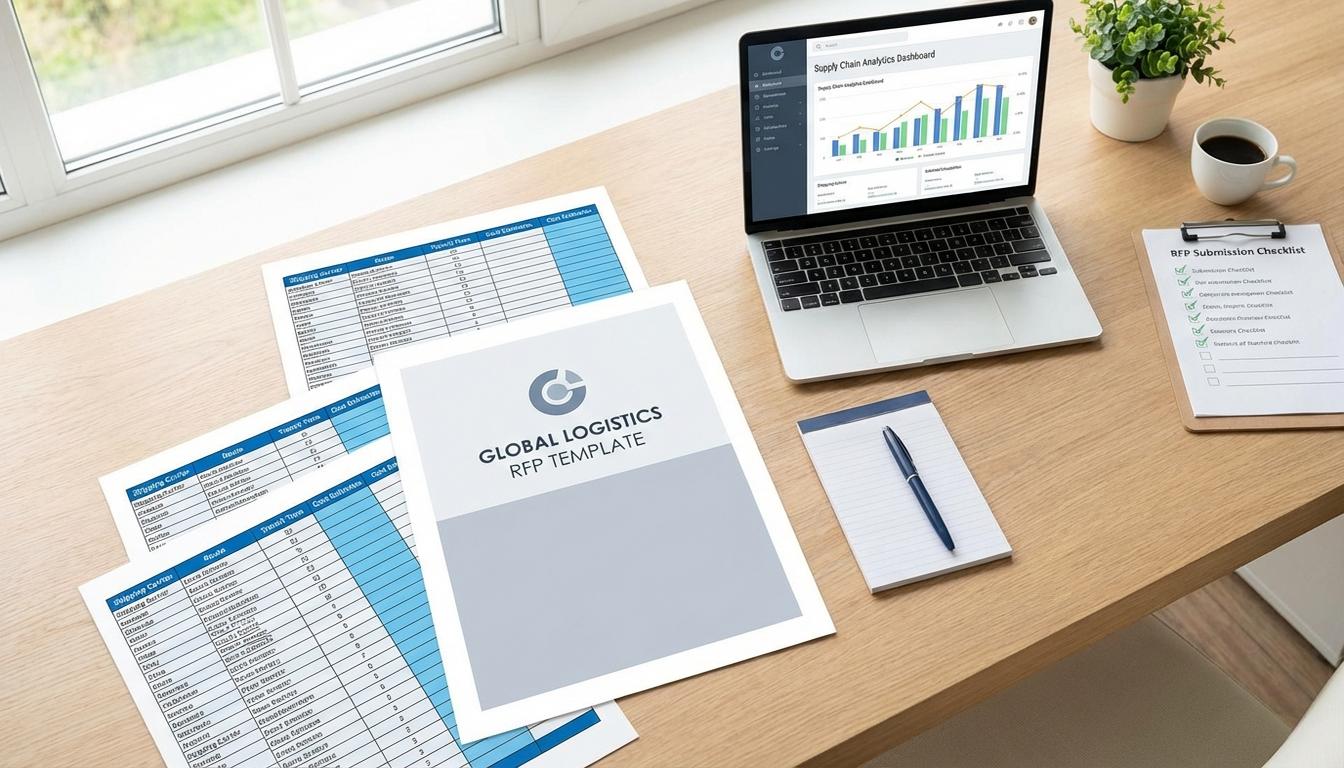
A logistics RFP template is a structured document used by shippers to solicit competitive and comparable proposals from service providers. This typically includes third-party logistics (3PL) companies, transportation carriers, and warehousing providers. The goal is simple. You want to standardize how your requirements and data are presented so that all bidders respond to the identical scope of work.
This standardization is what allows for an apples to apples comparison. Without a template, one provider might quote you a flat rate while another includes dozens of accessorial charges you did not anticipate. By using a formal template, you force transparency on service, cost, and cultural fit. Here is the thing most people miss: the template is not just a form. It is a roadmap for your future partnership. Your best move here is to treat the template as a legal and operational safeguard that defines exactly what “success” looks like for your supply chain.

The Essential Components of a Quality RFP
When it comes to building your document, the details matter. A weak template results in “garbage in, garbage out” pricing. To avoid this, every logistics RFP template needs a few non-negotiable sections. Let us look at this closely.
1. Introduction and Strategic Objectives
Start with a purpose statement. Why are you running this bid? Are you looking for cost optimization, a network redesign, or better technology integration? If you do not tell the bidders what your goals are, they will just give you their standard “off the shelf” pricing. Be clear about whether you are seeking a transactional relationship or a long-term strategic partner.
2. Company and Supply Chain Overview
Give the bidders context. Describe your industry, your products, and your geographic footprint. Do you have high seasonality? Are your products fragile or hazardous? Mentioning your growth plans is also vital. A provider that can handle your volume today might not be able to scale with you in two years. This is one of those areas where getting it right makes a real difference in the quality of the partners you attract.
3. Detailed Scope of Work
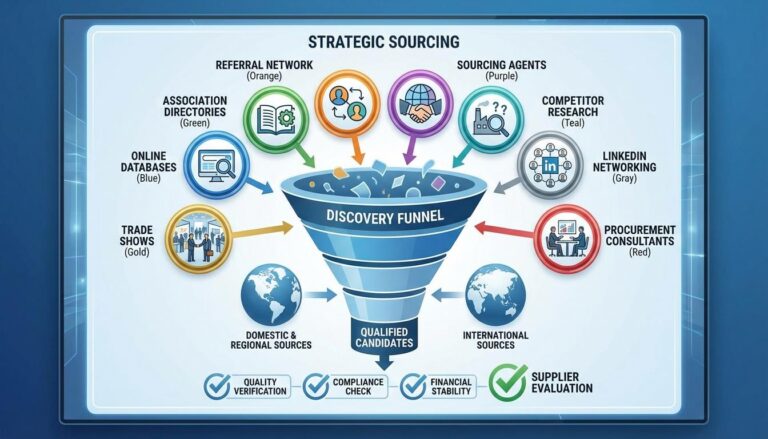
This is where you define the services requested. Be specific about whether you need freight forwarding, domestic trucking, warehousing, or customs brokerage. Your next step is to outline the timeframe of the contract and the expected go-live date. Providers need to know if they have the capacity to onboard you within your required window. Before you even send this out, you should have a clear idea of your candidates using established supplier discovery methods to ensure you are inviting the right experts to the table.
Transportation RFP Requirements: Getting the Data Right
If your focus is on moving goods, your transportation RFP needs to be data-heavy. Carriers cannot price accurately on “estimated” volumes. They need hard numbers. The real question is: what data do they actually need? Here is the step-by-step breakdown of what to include in this section of your template.
- Lane Lists and Volumes: Provide origin and destination zip codes, annual volumes per lane, and frequency of shipments.
- Equipment Needs: Specify if you require dry vans, reefers, flatbeds, or intermodal containers.
- Service Levels: Define your expectations for transit times and on-time delivery percentages.
- Accessorial Requirements: Do you need liftgates? Is inside delivery required? Do drivers need to make appointments? Listing these now prevents “hidden” costs later.
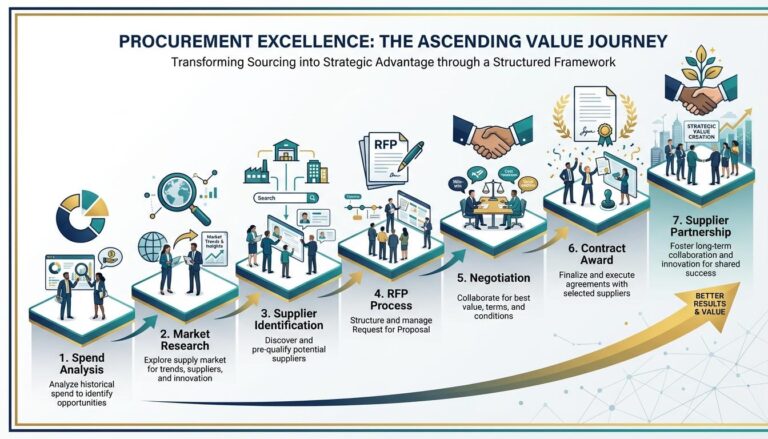
The practical takeaway is that the more granular your data, the lower the risk premium carriers will add to their rates. If they are guessing, they are going to guess high to protect themselves. For a deeper look at how this fits into the broader procurement cycle, check out our guide on the strategic sourcing process phases.
Warehousing RFP Requirements: More Than Just Square Footage
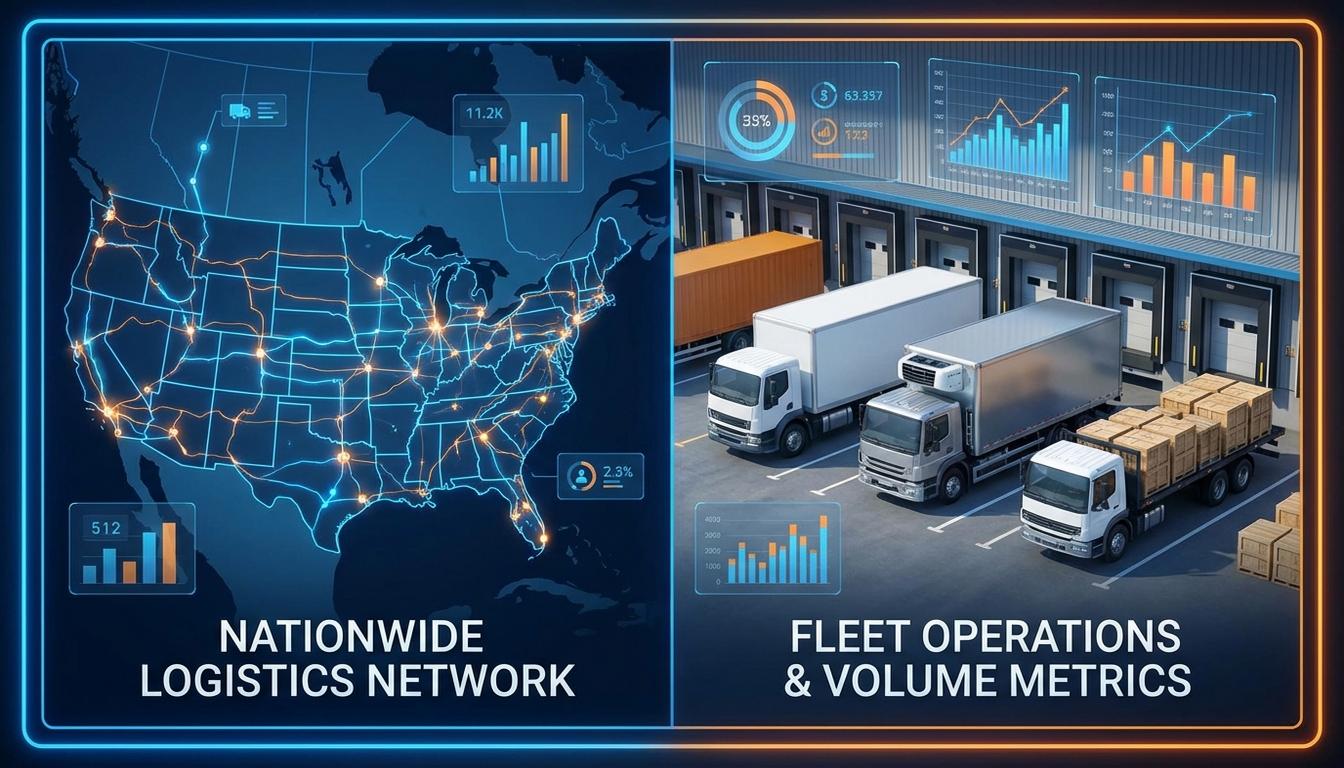
A warehousing RFP is significantly different from a transportation-focused bid. While transportation is about lanes and miles, warehousing is about space, people, and processes. This is exactly what you need to know to get an accurate warehouse quote.
You must provide detailed inventory and throughput data. This includes your average and peak inventory levels, the number of SKUs you carry, and your order profile. Are you shipping full pallets, cases, or individual “each” items? Bidders need to know the labor intensity of your account. According to research from the Council of Supply Chain Management Professionals (CSCMP), labor typically accounts for the largest portion of warehouse operating costs, so your order profile is the detail that changes everything in pricing.
Do not forget to ask about facility requirements like temperature control or specific certifications like food-grade or ISO standards. Your best move here is to request a “dock-to-stock” time KPI. This measures how long it takes for a provider to receive your goods and make them available for sale. It is a critical metric for maintaining inventory flow.

The RFP Process: A Step-by-Step Workflow
Running a bid request logistics project is a marathon, not a sprint. Following a consistent RFP process ensures you don’t miss critical steps. Let us get into the details of how to manage the timeline.
- Needs Assessment: Diagnose your current pain points. Is it cost, service, or lack of visibility?
- Data Preparation: Cleanse your historical shipment and order data. This is the most time-consuming part, but it is the most important.
- Issuance: Send the logistics RFP template to your shortlisted bidders. Give them at least three to four weeks to respond.
- Q&A Session: Host a call where all bidders can ask questions. This ensures everyone has the same information.
- Evaluation: Use a standardized scoring system to compare bids.
- Selection and Negotiation: Narrow it down to two finalists before making your final pick.
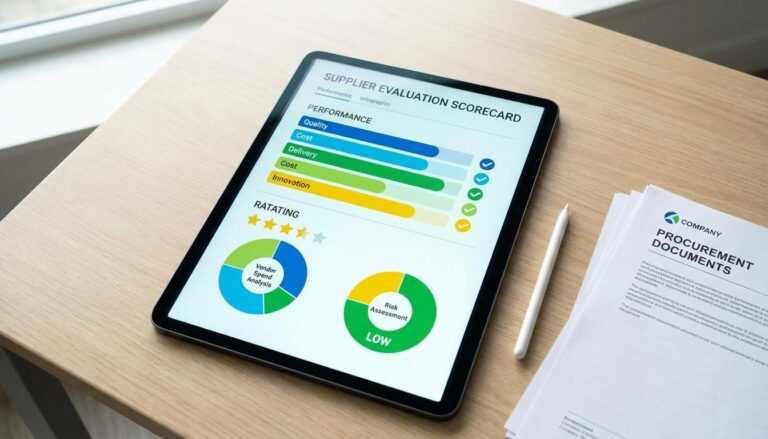
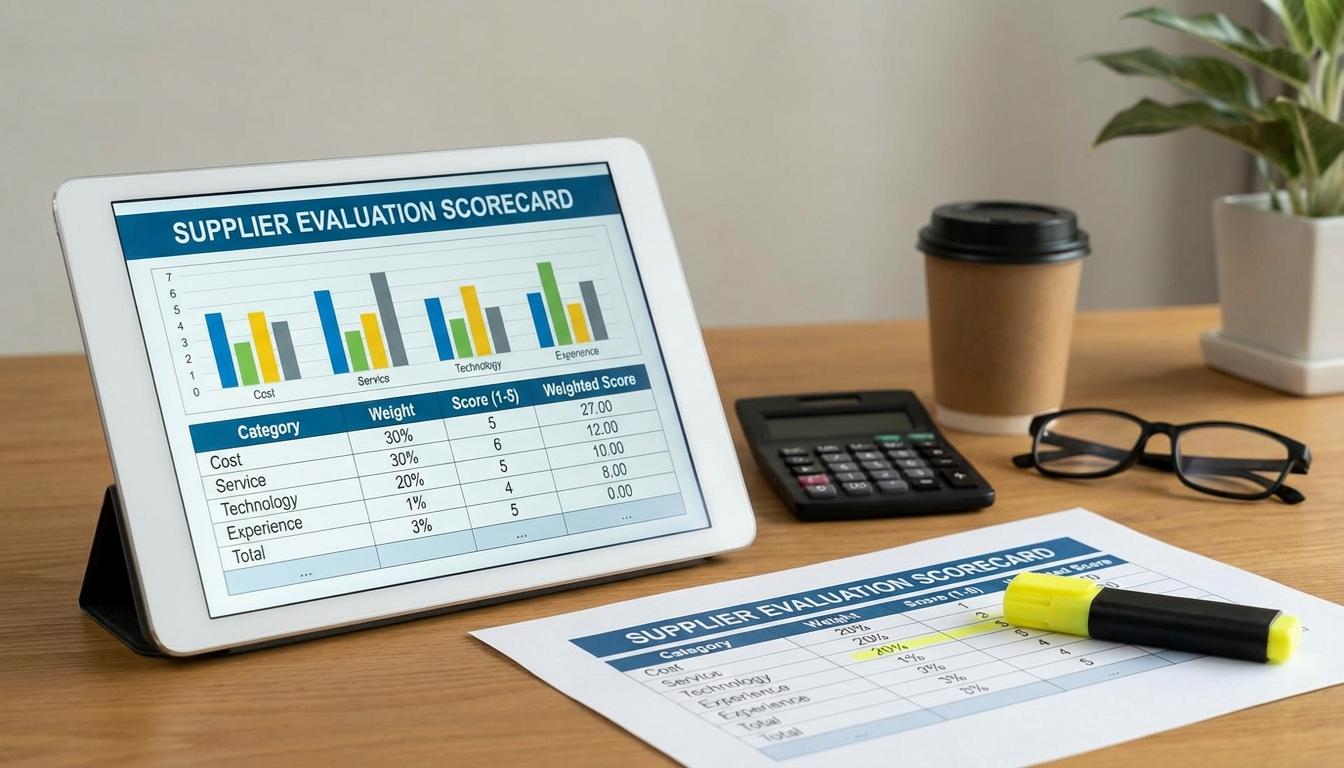
This is where it gets practical. Once the bids come in, you need a way to grade them that isn’t just based on the lowest price. We recommend using a supplier evaluation scorecard template to weight different factors like technology, experience, and cost fairly.
Pricing Structure and Standardization
This is the part you actually came here for. How do you stop providers from hiding fees? The answer is a mandatory pricing template. You must require bidders to use your format, not theirs. If you let them submit their own spreadsheets, you will spend weeks trying to normalize the data.
Your pricing section should demand a comprehensive fee schedule. For transportation, this includes line-haul rates, fuel surcharge formulas, and a list of all possible accessorials. For warehousing, it should break down storage fees per pallet, handling fees per order, and any management or implementation fees. According to industry experts at C.H. Robinson, transparency in bid formats is the only way to avoid “rate creep” after the contract is signed. Require that all-inclusive price quotes identify standard list rates and any applicable discounts upfront.
Quick Reference: Logistics RFP Essentials at a Glance
- Core Goal: Enable apples to apples comparison of costs and capabilities.
- Data Needed: Lane lists, SKU profiles, historical volumes, and growth forecasts.
- Critical KPIs: On-time delivery, inventory accuracy, and order cycle time.
- Technology Must-Haves: TMS/WMS integration, EDI/API capabilities, and real-time visibility.
- Timeline: Allow 3 to 6 weeks for a thorough response from providers.
- Evaluation Rule: Focus on “best value” rather than strictly the lowest rate.
Common Questions About Logistics RFP Templates
What is the most common mistake in a logistics RFP?
The direct answer is providing poor data. If your shipment volumes or SKU counts are inaccurate, the provider’s pricing will be inaccurate. This leads to immediate price increases or “service failures” once the contract begins. Always validate your data before hitting send.
How many providers should I invite to my RFP?
For a specific scope, inviting 5 to 8 providers is usually the sweet spot. Inviting 20 providers creates an administrative nightmare for your team, while inviting only 2 doesn’t provide enough competitive tension. Focus on quality over quantity.
Should I include my current rates in the RFP?
No, you should not. The goal of the RFP is to see what the market can offer based on your requirements. Providing your current rates can “anchor” the bidders to your existing pricing, preventing them from offering a more innovative or cost-effective solution.
How do I evaluate “cultural fit” in an RFP?
Include qualitative questions about their account management style and continuous improvement processes. Ask for case studies from clients in your specific industry. The way a provider handles the RFP process itself is often a great indicator of how they will handle your business.
Bringing It All Together
Creating a high-quality request for proposal logistics document is about more than just checking boxes. It is about building a foundation for a functional supply chain. By using a standardized logistics RFP template, you take control of the conversation. You define the rules, you set the expectations, and you ensure that the providers you select are actually capable of delivering what they promise.
Your next step is simple. Gather your shipment data from the last 12 months, identify your top three pain points, and start plugging them into a structured template. The time you spend on the front end will save you thousands of dollars and hundreds of hours of frustration during the implementation phase. Ready to get started? Focus on the data, stay firm on your requirements, and choose the partner that offers the best long-term value for your specific needs.