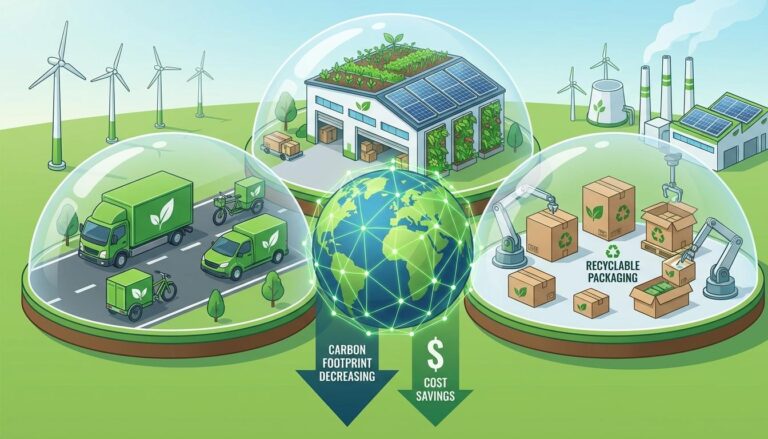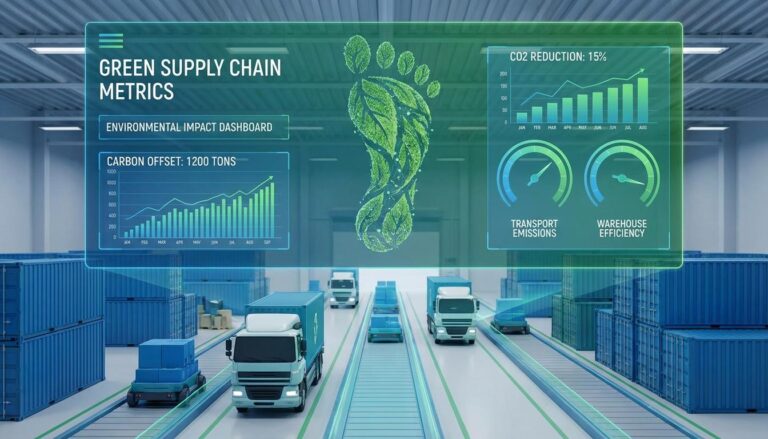

Sustainable Packaging Solutions for Eco-Conscious Shippers

Are you looking for the exact breakdown of how to transition your shipping operations to a more earth-friendly model? You have come to the right place. Sustainable packaging solutions are no longer just a niche luxury for boutique brands. They have become a standard requirement for any business that wants to thrive in a market where consumers prioritize transparency and environmental responsibility. We are going to get straight into what works, what does not, and exactly what you should do to optimize your shipping materials. Let us get specific.
If you are reading this, you likely already know that plastic waste is a problem. You have probably seen the headlines about overflowing landfills and ocean pollution. But you are looking for the detailed breakdown, not the surface-level warnings. You want to know which materials actually protect your products while minimizing your environmental footprint. This is the deep-dive that explores the technical differences between materials and the practical steps to implement them. Our goal is to move beyond the “green” buzzwords and look at the real science of sustainable logistics.
The Core Categories: Navigating Sustainable Packaging Solutions
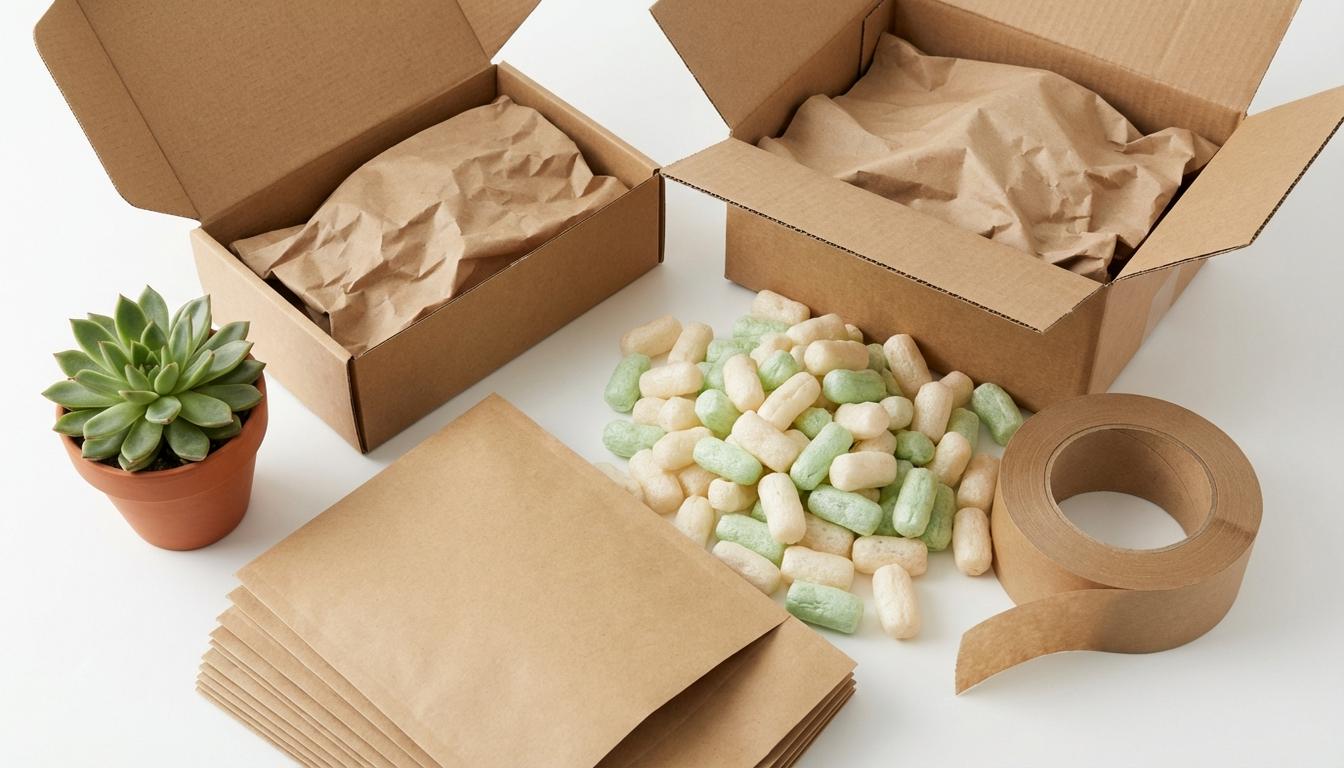
When it comes to sustainable packaging solutions, the details of material science matter. We often see the terms eco friendly packaging and green packaging materials used interchangeably, but they represent different approaches to the lifecycle of a product. To make the right choice for your shipping needs, you must understand the four primary categories of materials. These categories define how a package is sourced, how it performs, and where it goes after the customer opens it.
Recyclable Packaging
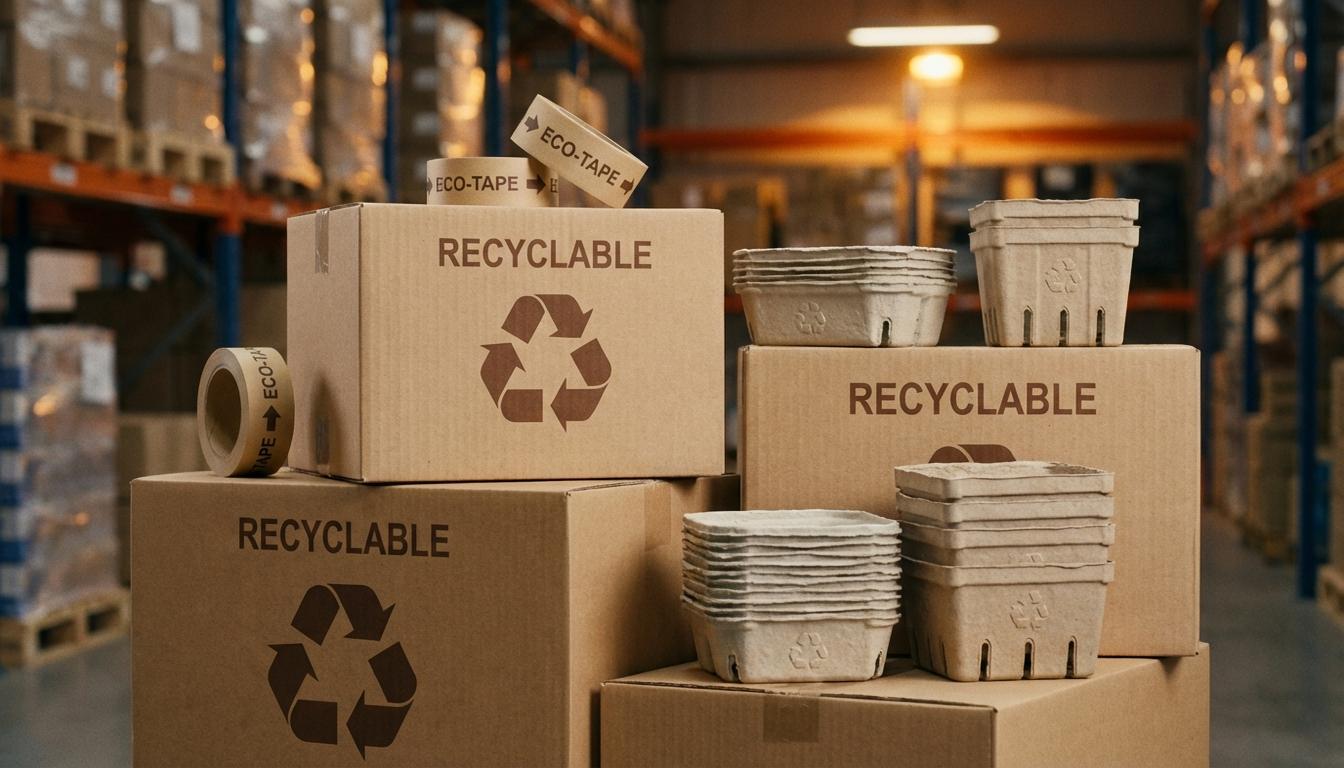
Recyclable packaging remains the backbone of the sustainable shipping industry. These are materials that can be processed and turned into new products after their initial use. Common examples include cardboard, paperboard, aluminum, glass, and specific plastics like PET or HDPE. The advantage here is the existing infrastructure. Most customers know how to handle a cardboard box. However, the real winner in this category is Post-Consumer Recycled (PCR) content. This is material made from waste that consumers have already recycled, which significantly reduces the demand for virgin materials. If you want to lower your impact immediately, moving toward high-percentage PCR content is your best move here.
Biodegradable vs. Compostable
This is where it gets practical, and where many shippers get confused. The key difference is the environment required for breakdown. Biodegradable packaging will naturally decompose over time through the action of microorganisms. This includes paper pulp and certain plant-based plastics. Compostable packaging is a subset of biodegradable material, but it requires specific conditions to turn into nutrient-rich organic matter. For example, Polylactic Acid (PLA) is a plant-based plastic often used for mailers. While it is compostable, it often requires an industrial composting facility to break down effectively. If your customers do not have access to these facilities, the packaging might still end up in a landfill. Always check the certification of your materials before making a claim to your customers.
Reusable Packaging
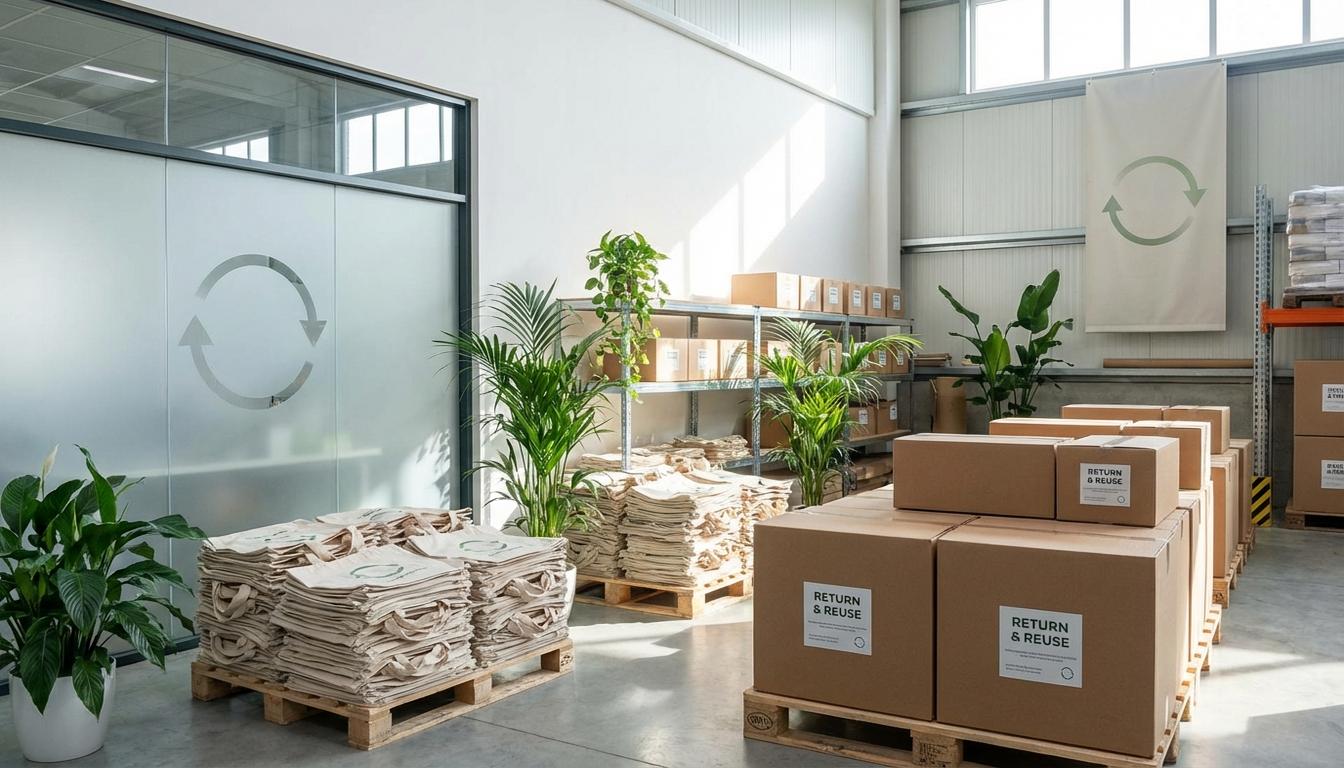
The ultimate goal for many eco-conscious brands is a closed-loop system. Reusable packaging involves materials designed for multiple uses, such as durable fabric tote bags, heavy-duty metal tins, or reinforced mailing boxes. This approach eliminates single-use waste entirely. The challenge is the return logistics. You need a system that encourages or facilitates the return of the packaging. If you can solve that puzzle, you create a circular economy that significantly reduces the need for new materials over time.
Your next step is to audit your current shipping volume. Determine which of these categories fits your product type and your customer’s disposal habits. For a complete overview of how these choices fit into a larger environmental strategy, check out our main guide on sustainable logistics guide.
Innovative Green Packaging Materials You Should Know
The field of material science is moving fast. We are seeing a wave of innovative green packaging materials that challenge our traditional reliance on petroleum-based plastics. These innovations are not just theoretical experiments. They are functional, protective, and increasingly cost-effective for shippers of all sizes. Let us look at this closely.
- Mushroom Packaging: Created from mycelium (the root structure of mushrooms) and agricultural waste, this material is entirely compostable at home. It is incredibly durable and is frequently used to protect electronics or fragile apparel.
- Water-Soluble Packaging: Often made from PVOH (polyvinyl alcohol), this material dissolves completely in water. It is a game-changer for items like laundry pods or small hardware components, as it leaves zero physical waste behind.
- Sylvicta Paper: This is a high-barrier translucent paper that is both recyclable and compostable. It acts as a barrier to oxygen, aromas, and oils, making it a viable alternative to plastic films in the food and beauty industries.
- Bagasse (Sugarcane Fiber): This is the fibrous residue left over after sugarcane is processed. It is turned into a pulp that can be molded into sturdy containers, perfect for food service or protective inserts.
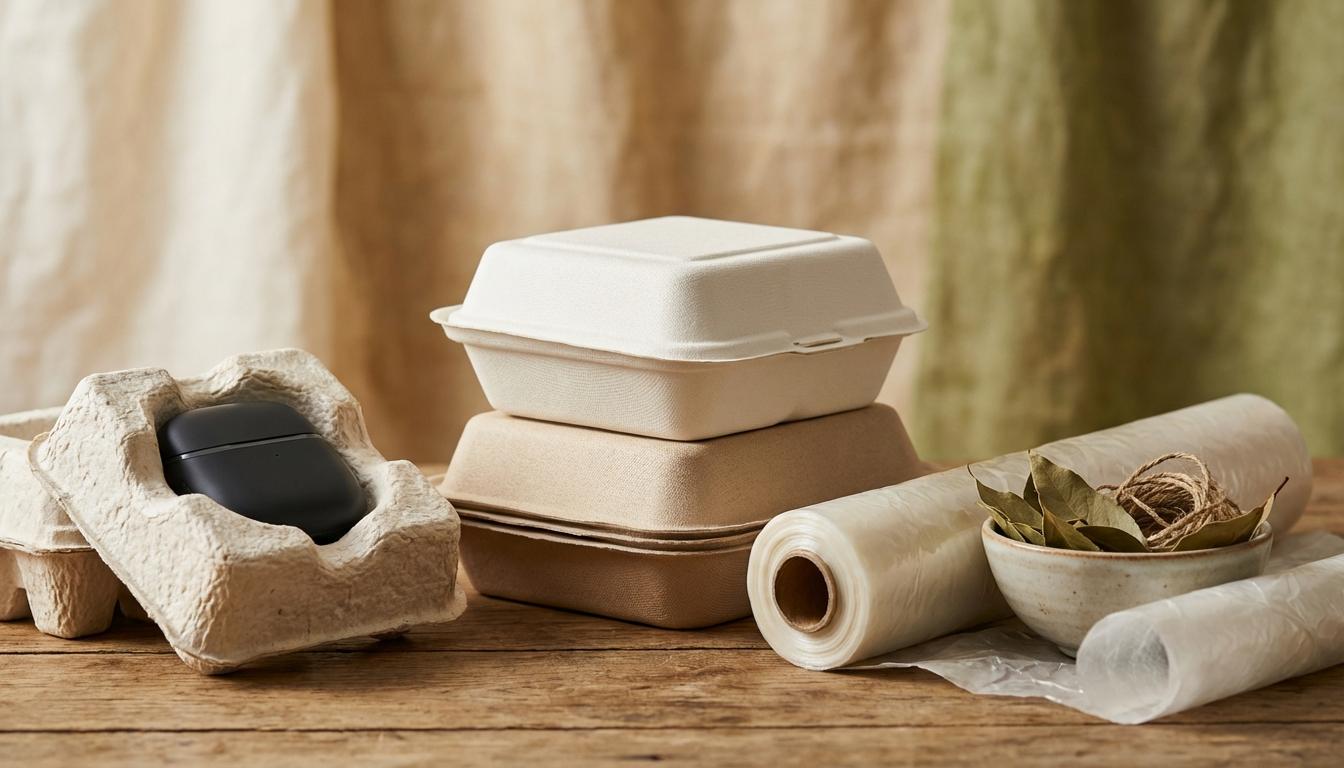
So what does this mean for you? It means you have options beyond just “paper or plastic.” For example, if you ship electronics, mushroom packaging might provide better shock absorption than traditional foam while being much better for the planet. According to the Sustainable Packaging Coalition, the most effective solutions are those that optimize material use while maintaining product safety. The direct answer is that the “best” material depends entirely on your product’s fragility and shelf life.
Strategies for Packaging Waste Reduction
The most sustainable package is the one that was never created in the first place. Packaging waste reduction is about efficiency. We have seen this question come up constantly: “How do I reduce my shipping costs while being more eco-friendly?” The answer lies in minimal packaging and right-sizing. When you reduce the amount of material used, you not only save on material costs but also on shipping fees related to weight and volume.
Here is the step-by-step breakdown of how to implement a reduction strategy:
- Perform a “Box-to-Product” Audit: Are you shipping small items in oversized boxes filled with plastic air pillows? This is a major source of waste. Your best move is to find the smallest possible container that safely houses your product.
- Switch to Flexible Stand-up Pouches: For non-fragile items, flexible pouches are significantly lighter than rigid boxes. They take up less space in transit, which means more packages can fit on a single truck.
- Eliminate Unnecessary Layers: Do you really need the tissue paper, the sticker, and the extra cardboard insert? Each layer adds to the waste. Look for ways to print your branding directly onto the primary box to eliminate the need for extra inserts.
- Use Eco-Friendly Infill: If you must use void fill, skip the plastic peanuts. Switch to recycled crinkle paper or corrugated bubble wrap made from waste cardboard.
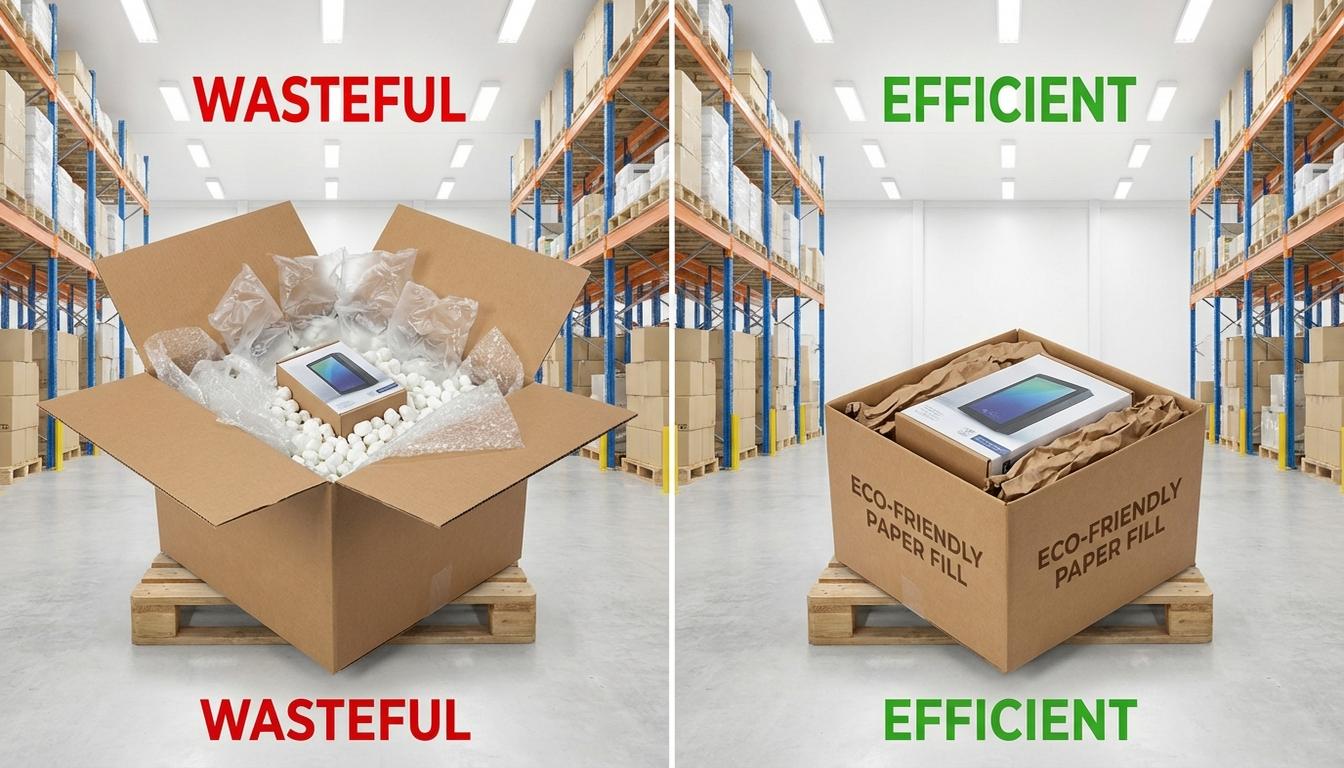
In practice, this means you should prioritize “right-sizing” every shipment. This directly impacts your carbon footprint. To understand how these changes influence your broader metrics, you may want to learn more about how to logistics carbon footprint measure accurately. Reducing material volume is one of the fastest ways to see a measurable dip in your emissions.
The Impact of Minimal Packaging on Shipping Logistics
Minimal packaging is not just a design aesthetic. It is a logistical strategy. When you use less material, your packages become smaller and lighter. This has a ripple effect throughout your entire supply chain. Smaller packages mean you can fit more units on a pallet and more pallets in a shipping container. This maximizes the efficiency of every mile traveled.
Let us get into the details of the benefits. By reducing the physical footprint of your packages, you are effectively lowering the number of vehicles needed to transport your goods. This leads to a direct reduction in fuel consumption and greenhouse gas emissions. Furthermore, minimal designs often lead to faster packing times in the warehouse, increasing overall operational throughput. It is one of those areas where getting it right makes a real difference to both the planet and your bottom line.
Now for the part you actually came here for: the cost. While some innovative materials carry a higher price tag per unit, the savings found in reduced shipping weights and smaller storage requirements often offset the initial investment. This is why a holistic view of your operations is necessary. If you are looking to optimize your storage space to accommodate these new strategies, you might find our tips on warehouse energy efficiency tips useful for streamlining your internal processes.
Quick Reference: Sustainable Packaging at a Glance
- Primary Goal: Minimize environmental impact across the full lifecycle (source to disposal).
- Best for Food: Compostable materials like bagasse or PLA for short-term use.
- Best for Durables: High-content PCR cardboard and recyclable aluminum.
- Best for Fragile Items: Mushroom mycelium or molded paper pulp inserts.
- Key Trend: Right-sizing and minimal packaging to reduce transport emissions.
- Certification to Watch: Look for the FSC logo to ensure paper products come from responsibly managed forests.
The practical takeaway is that there is no one-size-fits-all solution. You must balance the protective needs of your product with the environmental recovery options available to your customers. Research from the Forest Stewardship Council (FSC) suggests that responsibly sourced wood and paper products are some of the most renewable resources we have, provided the supply chain is managed correctly.
Common Questions About Sustainable Packaging Solutions
What is the difference between biodegradable and compostable?
The answer is the environment and the timeframe. All compostable materials are biodegradable, but not all biodegradable materials are compostable. Compostable items must break down into organic matter within a specific timeframe in a composting environment, whereas biodegradable items can take much longer and may leave behind residues.
Is recyclable plastic actually better than paper?
Not necessarily. While plastic is lightweight and durable, its recycling rates are often lower than paper. Paper and cardboard have a high rate of recovery and are biodegradable. However, if the paper is coated in plastic film, it can become difficult to recycle. The best move is to use mono-materials (materials made of only one substance) whenever possible.
How can I make my packaging more sustainable without increasing costs?
The direct answer is right-sizing. By reducing the size of your box and eliminating unnecessary void fill, you save money on materials and shipping costs simultaneously. This often covers the cost of switching to a slightly more expensive eco-friendly material for the remaining components.
Does sustainable packaging actually protect products as well as plastic?
Yes, and in some cases, it performs better. Innovations like mushroom packaging offer excellent shock absorption for electronics. Corrugated cardboard is engineered for high stacking strength. The key is choosing the right material for the specific weight and fragility of your item.
What is PCR and why is it important?
PCR stands for Post-Consumer Recycled content. It is important because it uses materials that have already been through the consumer cycle, rather than extracting new raw materials. Using PCR plastics or paper significantly reduces the energy and water consumption required for manufacturing.
Building a Greener Future One Shipment at a Time
Transitioning to sustainable packaging solutions is a journey of continuous improvement rather than a single overnight change. We have explored the differences between compostable and recyclable materials, the innovations in mycelium and water-soluble films, and the logistical power of minimal packaging. The real question is: where will you start? Your next step should be a simple material audit. Identify your highest-volume shipping container and see if there is a PCR or right-sized alternative available.
By making these focused changes, you are doing more than just “going green.” You are future-proofing your business against increasing regulations and meeting the demands of a more conscious consumer base. Every box you right-size and every plastic mailer you replace with a compostable alternative contributes to a larger reduction in global packaging waste. Let us continue to push for a circular economy where shipping is as efficient as it is responsible. Your best move here is to start small, measure the impact, and then scale your successes across your entire operation.